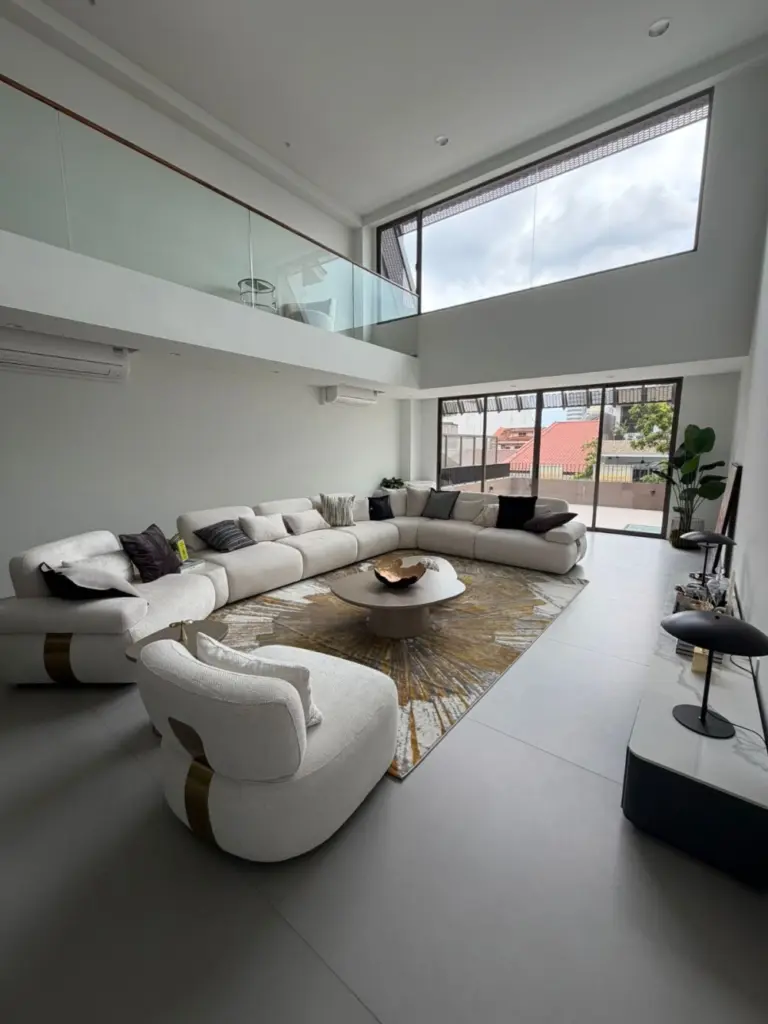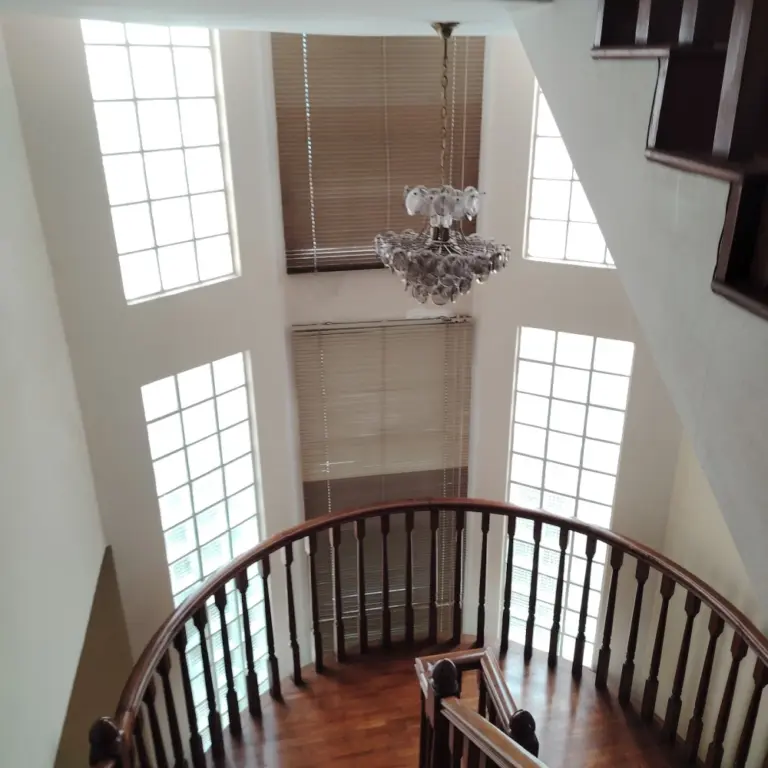
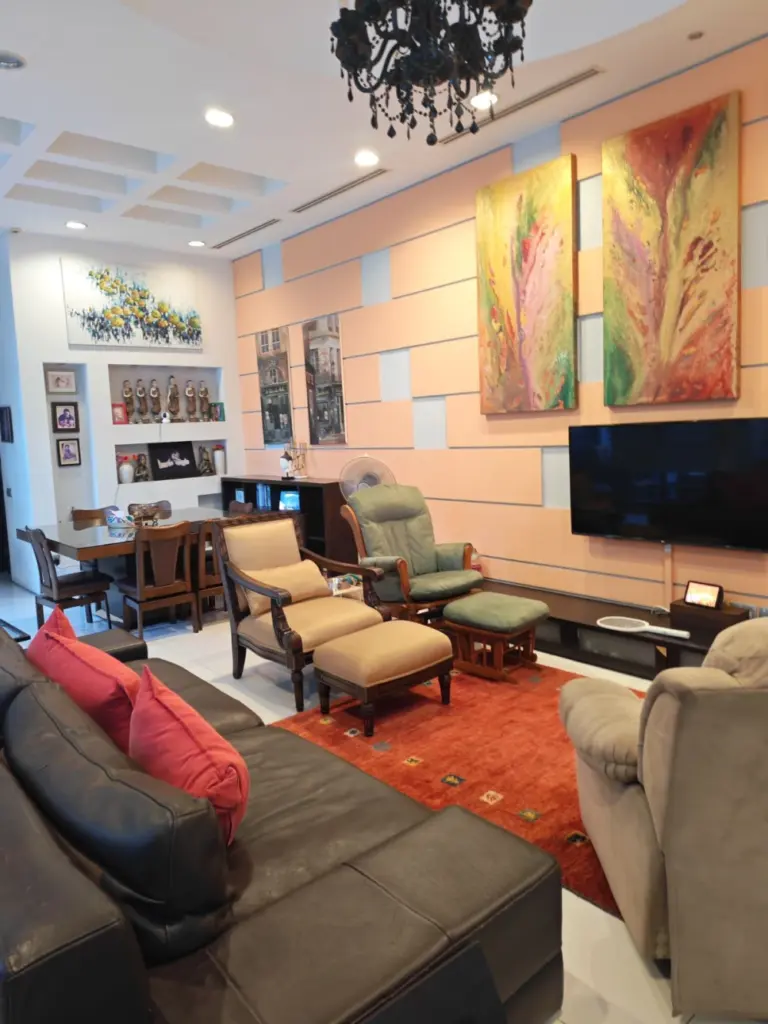
A viewing helps you understand how a home feels, but it should also create a useful record for later checks. Bring a simple checklist, take permitted photographs and separate visible observations from facts that still need professional verification.
Walk the site from outside in
Review road access, parking, frontage, boundaries and drainage before entering. Inside, note natural light, ventilation, ceiling heights, room dimensions and how people move between levels. Check whether the layout works for the household without depending on unverified alteration plans.
Look for condition signals
Record visible cracking, staining, uneven floors, roof or ceiling concerns, window condition and signs of water entry. Test taps, switches, doors and air-conditioning where permission is given. These observations are not a substitute for a qualified inspection, but they help focus the next stage.
Verify approved plans and use
URA advises buyers to check approved plans and unauthorised works. The CEA buyer checklist also highlights ownership, property specifications, approved use, outstanding costs and unauthorised additions or alterations. Engage the appropriate lawyer, architect, engineer or surveyor where the property or intended works require it.
Leave with an action list
Write down every unanswered question, requested document and follow-up inspection. A disciplined action list makes comparison easier and reduces the chance that an attractive finish distracts from a material issue.
Useful official resources: URA buying-property guidance and CEA buyer checklist.
This article is general information and is not a structural, legal or financial assessment.